Free Tax Return Review: Best Services and What CPAs Actually Check
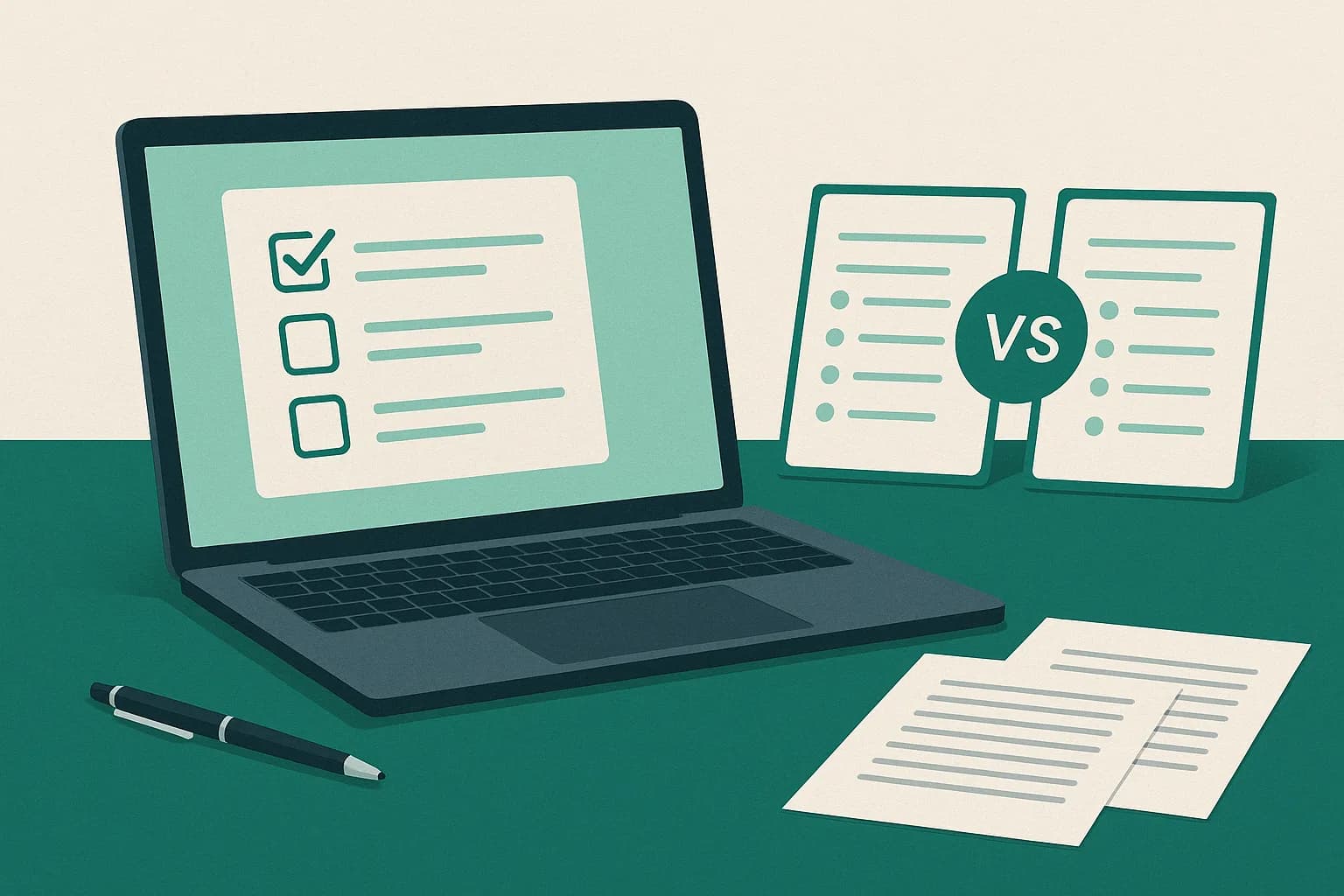
Free review tools help, but professional review catches context-specific risk
Use both strategically, not as substitutes
Direct answer
A free tax return review can catch obvious data-entry and eligibility issues, but it rarely replaces a full professional review. If your return is simple, free tools may be enough. If your return includes business income, credits, prior-year carryovers, or unusual life events, a CPA review adds material value.
At a glance
- Free review services are best for baseline checks and confidence boosting.
- They can miss tax-planning context and multi-form consistency errors.
- CPA reviews focus on risk, optimization, and defensible filing positions.
- Your best workflow is often software review first, CPA review second.
Jump to section
Why You Should Review Your Return Before and After Filing
Most taxpayers think review is a one-time pre-submit step. In practice, high-quality review is two phases:
- Pre-filing accuracy check (inputs, eligibility, math, missing forms).
- Post-filing reasonableness check (transcript matching, refund expectations, planning implications).
This is relevant whether you search review my tax return, review tax return online, or review my tax return online.
Pro Tip
Save a PDF of your filed return and a one-page summary the day you file. It makes future review and amendment decisions much faster.
Best Free Tax Return Review Options
The “best” free option depends on what you need: error detection, second-opinion confidence, or simple education. The names below appear frequently in search terms such as h and r block second look, credit karma tax return review, and turbotax review before filing.
| Service Type | What It Does Well | Where It Falls Short |
|---|---|---|
| Software “double-check” workflows | Flags obvious data mismatches and omissions | Limited strategic tax planning context |
| Free community/file portal reviews | Low-cost way to sanity-check basic filings | Quality consistency varies by reviewer |
| AI-led summary/review assistants | Fast pattern detection and explanation | Needs professional oversight for edge cases |
If your question is “is this return obviously wrong,” free tools can be useful. If your question is “is this return optimized and defensible,” move to professional review.
What Free Tools Catch and What They Miss
Free tools often catch:
- Basic arithmetic or transposition mistakes.
- Missing required fields.
- Some eligibility errors for major credits.
Free tools often miss:
- Multi-year interactions (carryovers, prior-year elections, basis issues).
- Entity-level consequences for self-employed and owner-operators.
- Risk-weighted judgement calls that require tax professional interpretation.
Important
A “no error found” message is not the same as “best possible return prepared.” Treat free reviews as a first filter, not final assurance.
Turn Every Review Into a Client Conversation
Upload any 1040, 1120, or 1065 and generate a plain-language summary with findings and next steps.
Try It FreeWhat CPAs Actually Check During a Return Review
A professional income tax return review goes beyond software validation. CPAs typically evaluate:
- Identity and filing status logic.
- Income completeness and classification accuracy.
- Deduction and credit substantiation strength.
- Prior-year consistency and carryforward handling.
- Estimated-payment and withholding reasonableness.
- State/federal interaction effects.
- Audit risk concentration points.
That is why “I want a tax pro to review my return” remains a durable search intent even with better software.
Best Practice
Ask for a short written review summary. It forces clarity, helps with future planning, and reduces repeated explanation calls.
Checklist: 10 Things to Verify on Any Tax Return
- Name, SSN/EIN, filing status, and dependent details.
- W-2, 1099, and business income completeness.
- Retirement contributions and distributions are coded correctly.
- Credit eligibility is documented and accurate.
- Deduction choice (standard/itemized) is optimal.
- Estimated tax and withholding totals reconcile.
- Carryovers match prior-year filings.
- State return lines align with federal inputs.
- Banking details and refund instructions are correct.
- Final signed copy matches what was actually filed.
FAQ: Common “Review” Search Variants
“H&R Block review my return” and “Credit Karma tax review” mean the same thing?
They are both second-opinion intents, but workflows differ by provider. Evaluate scope, not just brand.
“Review previous tax returns” before amendment?
Yes. Prior-year review is usually the first step before deciding whether an amendment is necessary.
“Tax return software reviews” vs “tax return review service”?
Software review compares products. Return review service checks your specific filed data for errors and risk.
Final Choice: DIY Review, CPA Review, or Both?
If your return is simple, a free review can be enough confidence for filing. If your return is complex, a CPA review is the safer choice. For many taxpayers and firms, the strongest workflow is both: software first, professional second.
Tax firms that provide a final summary after review improve client understanding and reduce follow-up confusion. Magnus Tax is built to make that summary step fast and repeatable.